The Changing Face of Travel: Key Trends to Watch in 2027
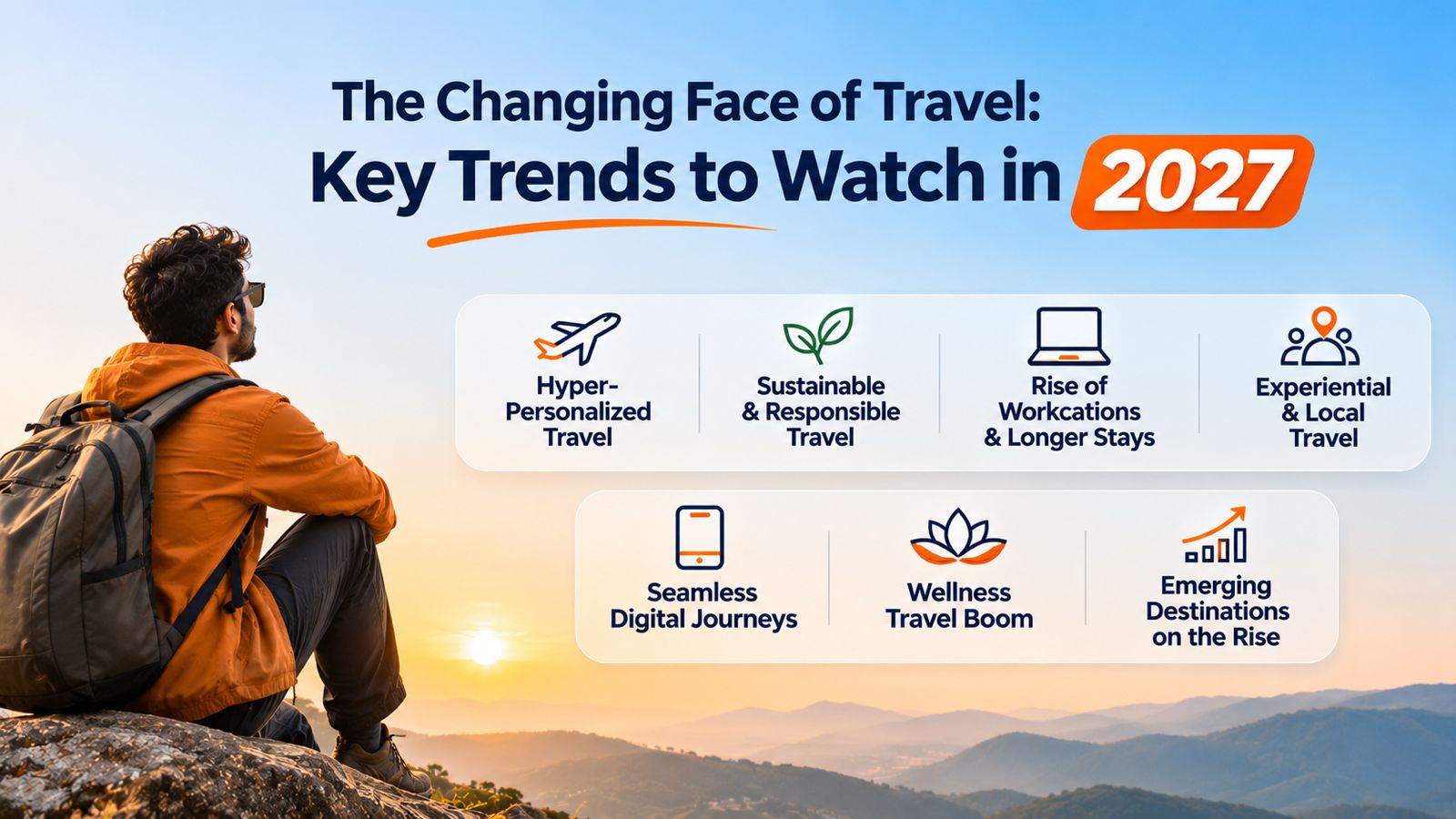
The travel industry is evolving as travellers increasingly seek personalised experiences, better value, convenient bookings and meaningful journeys. In 2027, changing customer expectations and digital technology are expected to shape how people plan and experience travel.
Here are the key trends expected to influence the travel industry in 2027.
1. Personalised Travel Experiences
Travellers are moving beyond standard holiday packages and choosing trips based on their interests, budgets and lifestyles. Adventure holidays, family vacations, cultural tours and wellness retreats are gaining attention.
Business Insight: Travel businesses can offer customised itineraries and flexible packages to meet individual customer needs.
2. Experience-Based Travel
Modern travellers want more than sightseeing. They are showing interest in local food, cultural activities, music festivals, adventure sports and nature-based experiences.
Business Insight: Travel agents can create experience-focused packages by combining accommodation, transportation and local activities.
3. Short Getaways and Weekend Trips
Busy lifestyles are encouraging travellers to take shorter and more frequent holidays. Weekend trips, nearby destinations and quick international getaways are becoming attractive choices.
Business Insight: Short-duration packages and well-planned itineraries can help travel businesses attract customers looking for quick holidays.
4. Budget-Conscious Travel
Travellers are comparing flight fares, hotel prices and package options more carefully. They increasingly look for affordable destinations and better value for money.
Business Insight: Offering options across different budgets, competitive prices and transparent quotations can help businesses meet customer expectations.
5. AI and Digital Travel Planning
AI-powered tools are helping travellers explore destinations, prepare itineraries and research travel options. Digital platforms are also simplifying bookings and travel planning.
Business Insight: Travel businesses can use AI and automation to manage enquiries, improve communication and simplify daily operations.
6. Wellness and Nature-Based Holidays
Mountain retreats, wellness stays, yoga holidays and outdoor activities are attracting travellers looking for relaxation and a break from busy routines.
Business Insight: Travel agents can explore wellness packages, nature retreats and adventure-based holidays to reach new customer segments.
7. Social Media Influencing Travel Choices
Instagram, YouTube, travel blogs and online reviews are important sources of travel inspiration. Photos, videos and recommendations often influence destination choices and booking decisions.
Business Insight: Regular destination updates, informative travel content and customer reviews can help businesses improve their online visibility.
8. Trust and Reliable Travel Support
Customers increasingly value transparent pricing, dependable bookings, travel insurance and timely assistance. Reliable support can make a significant difference to the overall travel experience.
Business Insight: Clear communication and dependable customer service help build trust and encourage repeat bookings.
What These Trends Mean for the Travel Industry
These changing preferences create opportunities for travel agents, tour operators and travel businesses to:
- Offer personalised holiday packages.
- Provide competitive flight and hotel options.
- Develop short trips and group travel packages.
- Adopt digital tools and AI-based solutions.
- Improve customer support and booking experiences.
- Cater to different budgets and travel preferences.
Conclusion
Travel in 2027 is expected to become more personalised, experience-driven and technology-enabled. Businesses that understand changing traveller preferences and adapt their services can create better customer experiences and explore new growth opportunities.
The future of travel is not just about reaching a destination; it is about creating experiences that travellers value.